Exploring the mysteries of the deep ocean
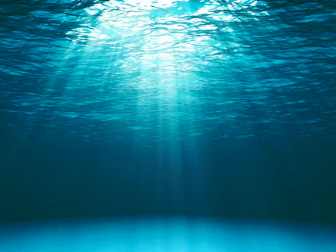
Most people think of space when they imagine the great unknown. Telescopes capture images of distant galaxies, spacecraft travel millions of kilometres through the solar system, and astronauts have walked on the Moon. Yet one of the greatest mysteries on Earth isn’t in the sky–it lies beneath the surface of our own planet.
The deep ocean is one of the least explored environments on Earth. Scientists estimate that over 80% of the ocean has never been fully mapped, observed, or explored by humans. That means the majority of our planets largest habitat remains largely unknown.
To put this into perspective, humans have mapped the surface of mars more thoroughly than we have mapped the ocean floor.
A world of darkness
Sunlight only reaches the top layer of the ocean. This region, called the photic zone, extends roughly 200 meters (about 656 feet) below the surface. Below that depth, sunlight fades away until the ocean becomes completely dark.
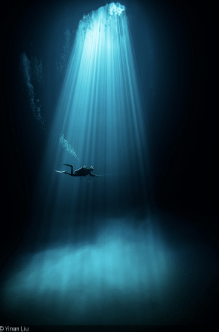
The ocean is cold, quiet, and under enormous pressure. For every 10 meters (33 feet) you descend, the pressure increases by about one atmosphere. At the deepest parts of the ocean, the pressure is more than 1,000 times greater than the pressure at sea level.
Despite these extreme conditions, life thrives there.
Creatures that glow in the dark
Many deep-sea animals produce their own light through a process called bioluminescence. This chemical reaction allows organisms to glow in shades of blue or green, the colours that travel farthest through water.
Bioluminescence can serve many purposes:
- Attracting prey
- Confusing predators
- Communicating with other members of the species
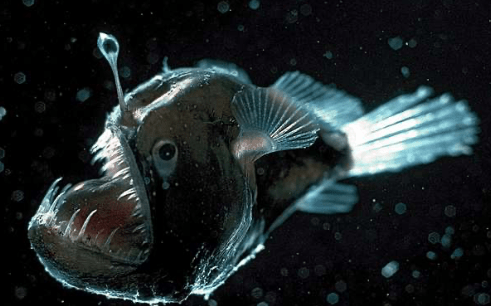
One famous example is the anglerfish, which has a glowing lure attached to its head. The light attracts curious prey close enough for the fish to capture them with its enormous jaws.
Some jellyfish, shrimp, and squid also produce glowing clouds of light to distract predators-almost like underwater fireworks.
The deepest place on earth
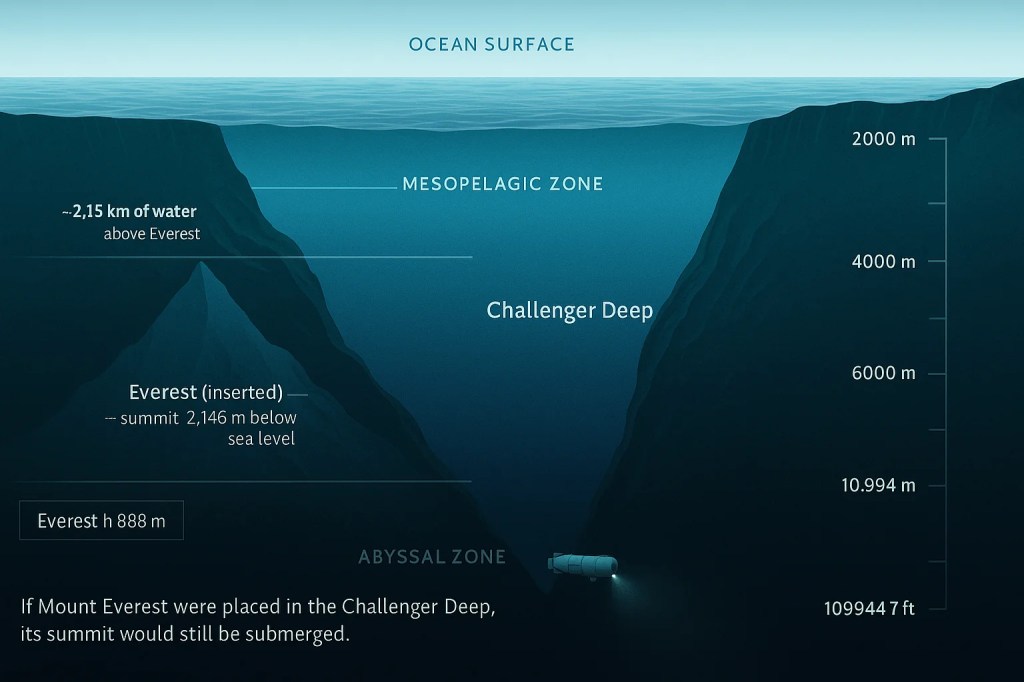
The deepest known place in the ocean is the challenger deep, located in the Mariana Trench in the western Pacific Ocean.
This trench reaches nearly 11,000 meters (about 36,000 feet) deep.
If Mount Everest-thetallest mountain on earth- were placed inside the Mariana Trench, its peak would still be more then a mile underwater.
Only a handful of humans ever reached this depth. The first descent occurred in 1960, when explorers Jacques Piccard and Don Walsh traveled to the bottom in a submersible called the Trieste. Since then, only a few more missions have visited the trench.
Even at these depths, scientists have discovered life-tiny crustaceans, strange sea cucumbers, and microbes that survive under crushing pressure.
Why the ocean is harder to explore then space
It might seem surprising but exploring the deep ocean can actually be more difficult than exploring space.
Spacecraft travel through a near vacuum while deep-sea vehicles must withstand immense pressure that can crush ordinary equipment. The darkness, cold temperatures, and corrosive salt water also make exploration challenging.
Because of this, deep-sea exploration often relies on remotely operated vehicles (ROVs) and specialized submersibles designed to survive extreme conditions.
What we still don’t know
Every year, scientists discover hundreds of new marine species. Many researchers believe that millions of ocean species may still be undiscovered. Pictured below are just two of many species discovered in 2025, these ones being the guitar shark and the Chondrocladia sponge, or more simply, the carnivorous “death ball” sponge.
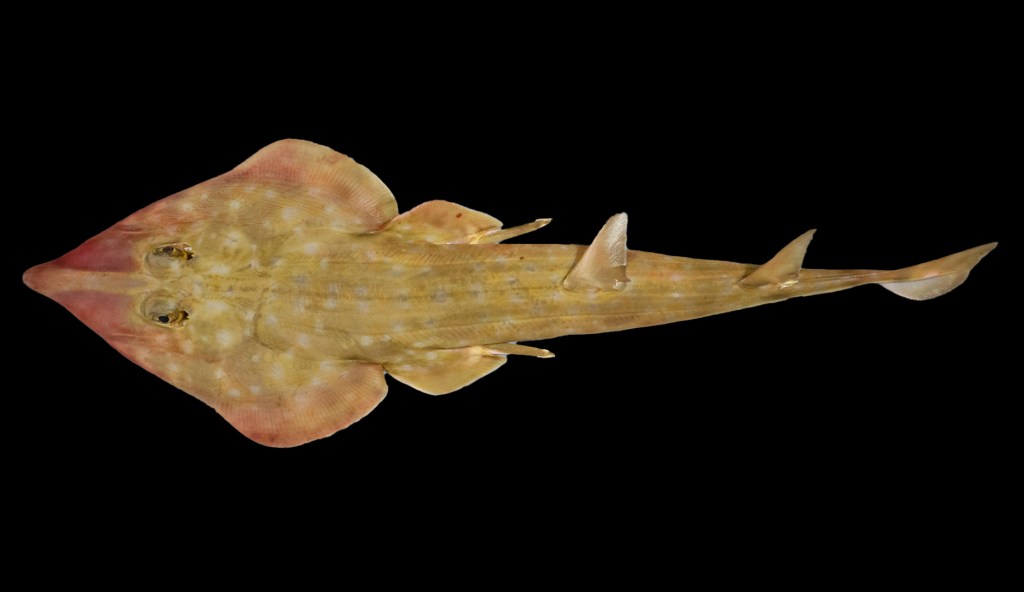
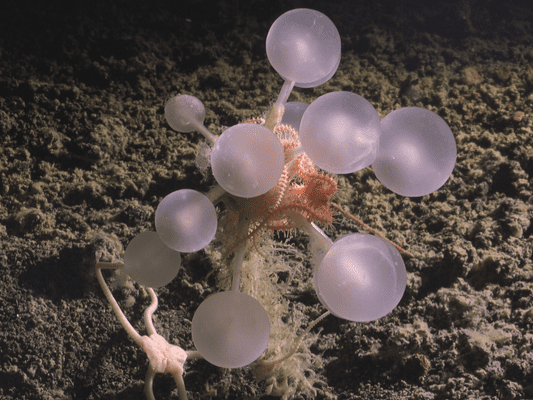
Some scientists even suspect entirely new ecosystems could exist in parts of the ocean we have barely explored.
Hydrothermal vents, for example- underwater volcanic openings discovered in 1977–support ecosystems that survive without sunlight at all. Instead of relying on photosynthesis, these organisms depend on chemical energy from the earth itself
Discoveries like these remind us that the ocean still holds many secrets.
Beneath the surface
The ocean covers more than 70% of earths surface, yet we have only begun to understand it. Beneath the waves lies a vast world filled with strange creatures, unexplored landscapes, and scientific mysteries waiting to be uncovered.
As technology improves and exploration continues, scientists may reveal answers to questions we haven’t been thought to ask yet.
Until then, much of our planet remains
Below the Surface.
 Below The Surface
Leave a comment